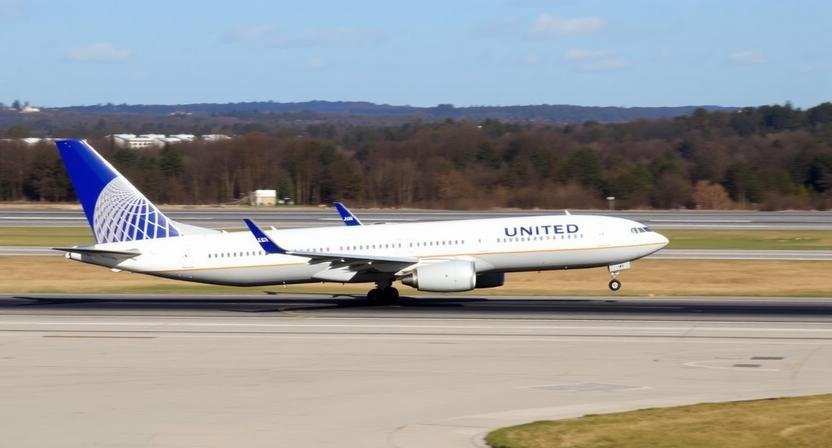
The united flight ua109 diversion quickly drew attention from travelers tracking flight status updates and aviation observers monitoring real-time air traffic data. When a commercial aircraft diverts from its planned route, questions follow immediately.
Was it mechanical? Medical? Weather-related? Security-driven?
In this comprehensive guide, you’ll get a clear, expert-level breakdown of what a diversion means, why it happens, what typically triggers it, and what passengers should expect next. More importantly, you’ll understand how airlines like the United Airlines manage operational disruptions safely and efficiently.
This article aligns with informational and situational search intent. If you searched for details about the united flight ua109 diversion, this guide provides structured, actionable clarity.
What Is a Flight Diversion?
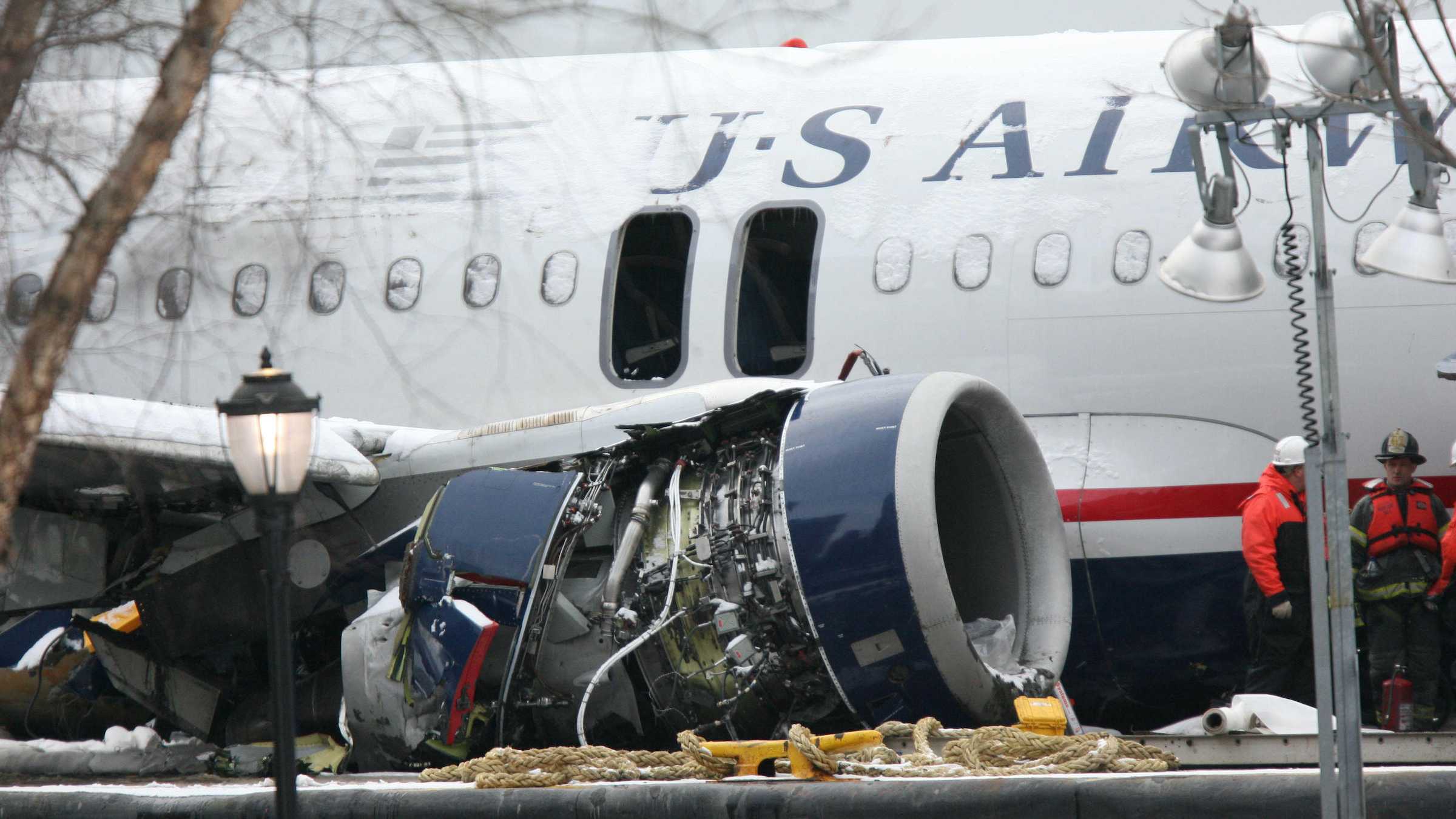

A flight diversion occurs when an aircraft lands at an airport different from its scheduled destination.
Pilots make this decision for safety, operational, or regulatory reasons. Diversions are precautionary more often than dramatic.
For context, commercial aviation operates with strict safety margins. Globally, millions of flights operate annually. Only a small fraction divert.
The united flight ua109 diversion falls within this broader operational framework.
Why the United Flight UA109 Diversion Matters
When passengers see the word “diversion,” concern spikes. However, most diversions signal that safety systems worked as designed.
Diversions matter because they reflect:
-
Crew decision-making
-
Aircraft system monitoring
-
Weather response planning
-
Passenger safety prioritization
In many cases, diversions prevent larger issues.
A diversion is often proof of caution, not crisis.
Common Causes of Flight Diversions
Although details vary by case, diversions typically stem from predictable categories.
1. Medical Emergencies
Medical issues are among the most common triggers.
If a passenger experiences:
-
Chest pain
-
Severe allergic reaction
-
Loss of consciousness
Pilots may divert to the nearest suitable airport.
2. Mechanical or Technical Alerts
Modern aircraft contain advanced monitoring systems.
Warnings can involve:
-
Engine performance irregularities
-
Hydraulic system alerts
-
Cabin pressurization indicators
Often, the issue is precautionary rather than catastrophic.
3. Severe Weather Conditions
Weather remains a leading factor.
Thunderstorms, crosswinds, or visibility drops may make landing unsafe at the planned airport.
Diversion allows a safer alternative approach.
4. Air Traffic Control Constraints
Congestion, runway closures, or unexpected restrictions can force rerouting.
5. Security or Passenger Disruption
Rarely, disruptive behavior or security concerns prompt diversion.
However, this is less common than medical or mechanical triggers.
Understanding United Airlines’ Safety Protocols
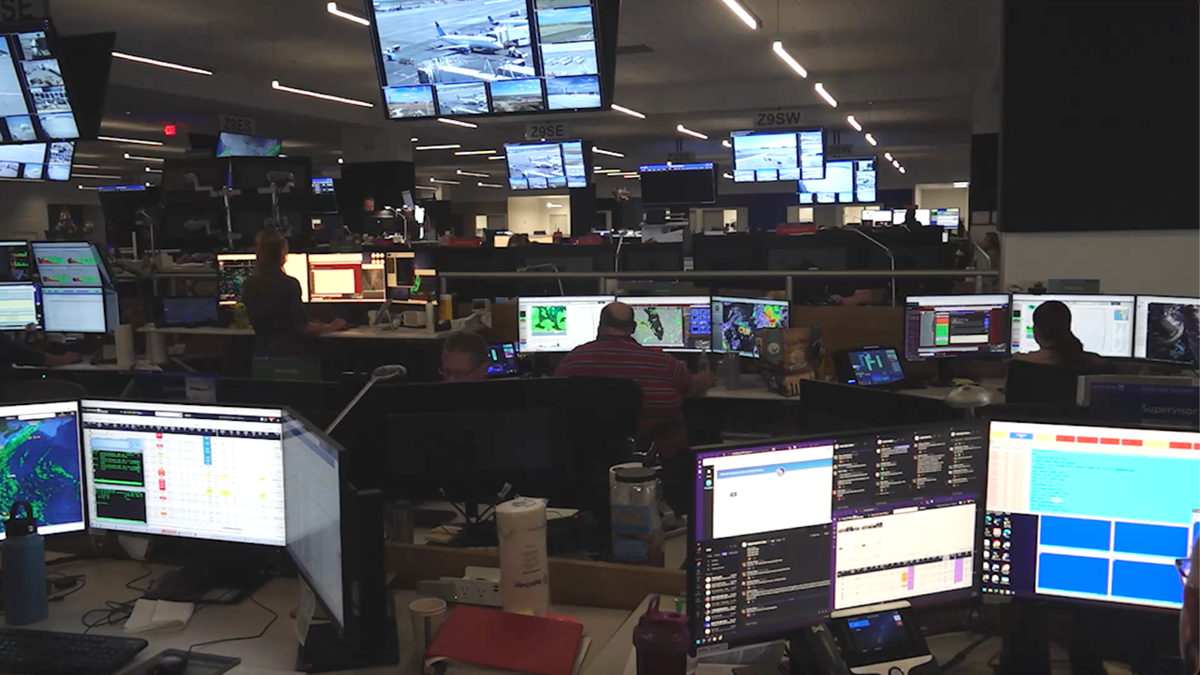
As one of the largest carriers in North America, United Airlines follows Federal Aviation Administration regulations and internal safety frameworks.
When a potential issue arises:
-
Pilots consult onboard diagnostics
-
They communicate with airline operations
-
Air traffic control coordinates alternatives
-
The safest nearby airport is selected
This layered system ensures redundancy.
The united flight ua109 diversion likely followed a structured evaluation process rather than a sudden panic response.
What Happens During a Diversion?
Here’s the step-by-step operational sequence:
-
Cockpit receives alert or report
-
Captain evaluates severity
-
Communication with dispatch begins
-
Suitable alternate airport identified
-
Cabin crew informs passengers
-
Aircraft lands
-
Ground support assesses situation
Passengers may notice emergency vehicles near the runway. This is standard precaution.
It does not necessarily mean a severe emergency occurred.
Passenger Rights During a Diversion
Many travelers search the united flight ua109 diversion topic to understand compensation or rebooking options.
Passenger outcomes depend on cause.
If Weather-Related
Airlines typically provide:
-
Rebooking on next available flight
-
Meal vouchers during long delays
Compensation beyond this is rare.
If Mechanical or Airline-Controlled
Passengers may receive:
-
Hotel accommodations for overnight delay
-
Meal vouchers
-
Alternative routing
Policies vary, but airline-controlled causes trigger stronger compensation obligations.
Comparison: Diversion vs Cancellation vs Delay
Understanding the difference reduces confusion.
| Event Type | Aircraft Departs | Lands Elsewhere | Rebooking Required | Compensation Likelihood |
|---|---|---|---|---|
| Diversion | Yes | Yes | Often | Depends on cause |
| Cancellation | No | No | Yes | Higher if airline fault |
| Delay | Yes | No | No | Limited |
The united flight ua109 diversion represents an operational landing change, not a cancellation.
Real-World Aviation Data Context
Globally, commercial aviation records millions of departures annually.
Industry data suggests diversions account for well under 1% of total flights.
Medical issues alone contribute to a significant portion.
Therefore, statistically, diversions are rare relative to total operations.
That perspective helps reduce alarm.
Benefits of Diversion Decisions
Although inconvenient, diversions offer strong benefits.
-
Prevent escalation of minor issues
-
Allow immediate medical response
-
Reduce risk exposure
-
Demonstrate proactive crew judgment
In aviation, caution is strength.
A safe diversion is always preferable to pressing forward.
Drawbacks and Passenger Frustrations
Diversions still create stress.
Passengers may face:
-
Missed connections
-
Hotel rebooking challenges
-
Lost work time
-
Travel plan disruptions
However, inconvenience must be weighed against safety.
Airlines optimize for life preservation, not schedule preservation.
Advanced Aviation Insight: What Most Travelers Miss
Pilots train extensively in diversion procedures.
Simulators replicate:
-
Engine irregularities
-
Weather approach challenges
-
Rapid decision-making under pressure
Additionally, aircraft are certified to continue flight even after certain system failures.
That means a diversion often reflects conservative safety margins rather than imminent danger.
This nuance rarely appears in headlines about the united flight ua109 diversion.
How Airports Handle Unexpected Diversions
When a diverted aircraft approaches:
-
Ground crews receive early notice
-
Emergency services stand by
-
Gates are reassigned
-
Maintenance teams prepare inspections
Large hub airports handle diversions smoothly.
Smaller regional airports may require logistical adjustments.
Common Mistakes Passengers Make After a Diversion
Avoid these missteps:
-
Immediately demanding compensation without understanding cause
-
Ignoring airline notifications in the app
-
Leaving the airport before rebooking confirmation
-
Failing to document expenses
Staying calm improves outcomes.
Step-by-Step Guide: What To Do If Your Flight Diverts
If you were on the united flight ua109 diversion or experience a similar event, follow this plan:
-
Stay seated until instructed
-
Listen carefully to cabin announcements
-
Open the airline mobile app
-
Check rebooking status
-
Approach customer service politely
-
Keep receipts for meals or hotels
-
Confirm baggage routing
Pro tip: Elite status holders should call dedicated support lines immediately. Wait times are often shorter.
Long-Tail Search Questions Explained
Travelers often ask:
-
Why did United flight UA109 divert today?
-
Was United flight UA109 an emergency?
-
Where did United flight UA109 land?
-
What happens after a United Airlines diversion?
The answers depend on official airline updates. However, diversion does not automatically equal crisis.
In most cases, flights resume or passengers are rebooked within hours.
Operational Risk Management in Modern Aviation
Modern aircraft rely on:
-
Real-time telemetry
-
Predictive maintenance software
-
Advanced radar systems
-
Centralized operations centers
These technologies reduce true emergencies.
Diversions are often precautionary, guided by analytics rather than visible failure.
The united flight ua109 diversion likely involved layered data review before decision.
Media Coverage vs Operational Reality
News headlines amplify the word “emergency.”
However, internal airline classifications may label events as precautionary.
There is a major difference between:
-
Emergency declaration for priority landing
-
Full mechanical failure
Priority landings are common and controlled.
Psychological Impact on Passengers
Diversions can trigger anxiety.
However, aviation remains one of the safest transportation methods globally.
Statistically, the risk of injury during commercial flight is extremely low.
Understanding that context helps reduce fear.
Expert Travel Strategy for Future Flights
To minimize stress:
-
Choose earlier departure times
-
Build buffer time before connections
-
Carry essential items in cabin baggage
-
Enable airline app notifications
Preparation transforms inconvenience into manageable disruption.
Is the United Flight UA109 Diversion a Sign of Broader Issues?
Isolated diversions rarely indicate systemic problems.
Airlines operate thousands of flights weekly.
One diversion does not reflect fleet-wide safety concerns.
Regulatory oversight ensures ongoing compliance.
Frequently Asked Questions
Was the united flight ua109 diversion dangerous?
Most diversions are precautionary. Safety protocols aim to prevent escalation.
Will passengers receive compensation?
It depends on the cause. Mechanical issues may trigger vouchers or accommodations.
Do pilots declare emergencies often?
Emergency declarations are precautionary tools. They ensure priority handling.
Are diversions common?
They represent a very small percentage of total flights.
How long do diversions delay travel?
Delays vary. Some passengers resume travel within hours.
Final Analysis and What You Should Do Next
The united flight ua109 diversion reflects standard aviation safety procedures rather than automatic crisis.
Here is the key takeaway:
-
Diversions prioritize safety
-
They are statistically rare
-
Most are precautionary
-
Passenger disruption varies by cause
If you are tracking this specific flight, monitor official airline updates. Avoid speculation. Rely on operational data.
For future travel:
-
Plan flexible connections
-
Keep travel insurance documentation ready
-
Stay informed through airline apps
In aviation, safety systems are built to anticipate risk. A diversion demonstrates that those systems worked exactly as intended.
Understanding that truth transforms concern into confidence.