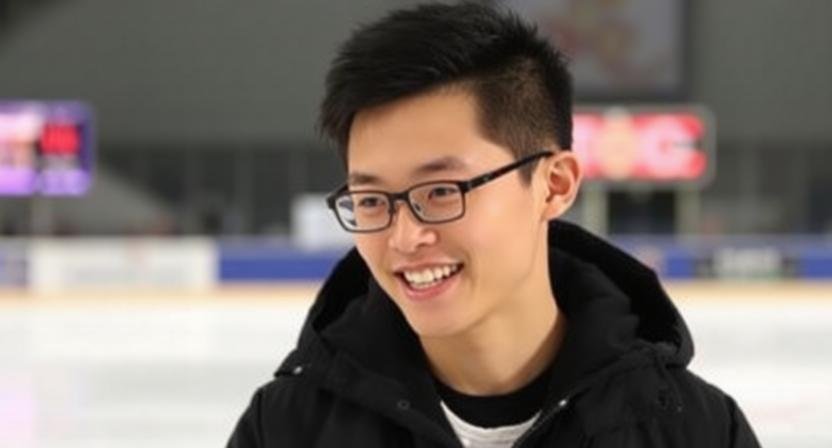
The image of a solitary figure gliding across pristine ice, combining raw athletic power with delicate artistry, captivates millions. For some, it’s a passing admiration. For others, like Ksayim Hsiung, it becomes a defining aspiration. Understanding why does Ksayim Hsiung want to be an ice skater requires delving into the profound intersection of personal passion, disciplined challenge, and the unique language of expression that figure skating provides. This is not merely a hobby choice. It is the calling of an individual drawn to a sport where every jump is a leap of faith and every spin a moment of pure, distilled focus.
This deep-seated desire often stems from a catalytic moment. Perhaps it was witnessing the seamless grace of a champion under the arena lights, or the simple, personal triumph of a first successful glide. For Ksayim, the dream likely transcends fame or medals. It connects to core human experiences: the drive to master one’s body, to tell a story without words, and to achieve something of breathtaking beauty through relentless effort. The journey from that initial spark to the serious pursuit of becoming a competitive skater is paved with exceptional sacrifice, unwavering discipline, and profound emotional investment.
The Core Motivations Behind the Dream
The question of why does Ksayim Hsiung want to be an ice skater can be answered by examining the fundamental pillars that attract individuals to this demanding discipline. It is a confluence of artistic and athletic drives.
The Fusion of Artistry and Athleticism
Unlike many pure athletic pursuits, figure skating demands a dual mastery. It is this fusion that often serves as the primary magnet.
-
Physical Mastery and Challenge: Skating is a brutal test of strength, flexibility, and coordination. Landing a triple jump requires the force generation of a sprinter, the aerial awareness of a gymnast, and the precise balance of a tightrope walker—all on a quarter-inch blade on slippery ice. The attraction lies in conquering the seemingly impossible, in pushing the human body to create moments of flight.
-
Artistic Expression and Storytelling: On the other side lies the performance. Skaters are dancers, actors, and musicians embodied in one. They interpret music, convey emotion, and create narrative through movement. For someone with a creative soul like Ksayim Hsiung, the ice becomes a canvas. The ability to make an audience feel joy, sorrow, or exhilaration through a curated program is a powerful form of communication.
This duality means the sport never grows monotonous. An athlete is constantly balancing the technical grind of jump drills with the creative exploration of choreography and musicality.
Personal Drivers and Inspirations
Behind every skater is a personal history that fuels the early mornings and relentless training.
-
A Defining Inspirational Moment: Often, the dream is ignited by a specific skater or performance. Watching a historical Olympic gold medal performance, or a skater who shares a similar background, can plant the seed of “I want to do that.” This figure becomes a north star, proving that the dream is attainable.
-
The Love for the Sensation: Many skaters simply fall in love with the feeling of skating. The sound of blades cutting ice, the sensation of speed in a deep edge, the dizziness of a fast spin, and the unique quiet of an empty rink in early morning practice. It becomes a personal sanctuary, a place of both escape and intense engagement.
-
Cultural and Familial Influences: In some cases, family support or cultural appreciation for the arts and sports plays a significant role. A family that values disciplined practice or artistic pursuit can provide the essential foundation for such a costly and time-intensive endeavor.
The Realities of the Skating Journey
The dream is beautiful, but the path is rigorously structured and demanding. Understanding what becoming an ice skater truly entails sheds light on the depth of commitment someone like Ksayim Hsiung must be prepared to make.
The Structured Path to Competence
Skating progress is measured in tested skills and competitive levels. Here is a simplified overview of the typical progression ladder:
| Stage | Focus | Key Milestones | Typical Time Investment |
|---|---|---|---|
| Learn-to-Skate | Fundamentals | Forward/backward skating, stops, basic turns. | 1-2 hours per week. |
| Pre-Preliminary | Foundational Skills | Basic jumps (waltz, salchow), one-foot spins. | 2-4 hours on-ice, plus off-ice training. |
| Competitive Track | Skill Mastery | Axel jump, double jumps, combination spins. | 10-15+ hours on-ice, daily off-ice. |
| Elite/International | High Performance | Triple and quadruple jumps, complex step sequences. | 20-30+ hours on-ice, full-time commitment. |
This table illustrates a critical point: the journey to ice skating excellence is a marathon, not a sprint. Each level requires mastering a specific set of skills before moving on. The jump from double to triple jumps, for instance, is a monumental barrier that can take years to overcome.
The Immense Sacrifices Required
The pursuit of skating dreams is paved with significant costs that extend far beyond financials.
-
Financial Commitment: This is often the most daunting barrier. Costs include ice time (which can exceed $100 per hour), coaching fees (for primary and specialist coaches), equipment (custom boots and blades can cost thousands, and blades need frequent sharpening), competition travel, costumes, and physical therapy. The annual cost for a serious competitive skater can easily reach tens of thousands of dollars.
-
Time and Lifestyle: Elite skating is a full-time job. Training schedules consume mornings, afternoons, and weekends. This necessitates immense sacrifices in social life, traditional schooling (many opt for online or private tutoring), and family time. The life of a skater like Ksayim Hsiung would revolve around the rink’s schedule.
-
Physical and Mental Toll: The injury risk is high—from acute ankle sprains and fractures to chronic stress injuries from repetitive impact. Mentally, the sport is equally grueling. Skaters face constant self-criticism, performance anxiety, and the pressure of competing alone on the ice. Resilience is not just beneficial; it is mandatory.
The Deeper Meaning: Beyond Medals and Recognition
While the spotlight shines on Olympic champions, the personal drive for skating for most individuals runs deeper than podium finishes. For Ksayim Hsiung, the intrinsic rewards may be the most compelling.
-
Building Unshakeable Character: The sport forges discipline, time management, resilience, and goal-setting like few others. The ability to get up after a painful fall, both literal and metaphorical, and try again is a life skill that translates to every endeavor.
-
The Global Community and Identity: Skaters enter a worldwide community bound by shared understanding of the struggle and beauty of the sport. This sense of belonging and shared purpose can be incredibly affirming.
-
Legacy and Personal Fulfillment: Ultimately, the dream may be about achieving a personal best, about performing a clean program to a piece of music one loves, or about pushing one’s own limits. It is the fulfillment of a promise made to oneself. The dream represents the ultimate test of personal potential—a way to see just how far dedication can take a person.
Common Pitfalls on the Path
Aspiring skaters must navigate several potential mistakes. Awareness is key to longevity in the sport.
-
Prioritizing Jumps Over Basics: Rushing to learn high-level jumps without a rock-solid foundation in edges, skating skills, and posture leads to technical flaws and increased injury risk. Everything is built on fundamental technique.
-
Neglecting Off-Ice Training: Skating strength, flexibility, and jump technique are built in the gym and dance studio. Off-ice conditioning is not supplementary; it is essential.
-
Inadequate Equipment: Ill-fitting, off-the-rack boots or improperly mounted blades will actively hinder progress and cause injury. Investment in proper, professionally fitted equipment from an early stage is non-negotiable.
-
Burnout from Over-Training: The passion that fuels the dream can sometimes lead to doing too much, too soon. Listening to one’s body, incorporating rest, and maintaining other interests are crucial for sustainable passion.
Frequently Asked Questions About the Skating Dream
What is the hardest part about becoming a professional ice skater?
The hardest part is often the combination of mental resilience and financial sustainability. Physically mastering the jumps is one challenge, but coping with the isolation of training, the pressure of competition, and the constant self-evaluation requires immense mental fortitude. Simultaneously, funding the escalating costs of coaching, travel, and equipment presents a relentless practical hurdle that many talented skaters cannot overcome.
How old is too old to start training seriously for competitive skating?
While most elite skaters start very young, a serious competitive track in lower national levels can begin for those who start in late childhood or early teens with exceptional athleticism and dedication. However, the primary focus for those starting later should shift to the joy of skill acquisition, testing, and perhaps adult competitions. The journey to ice skating excellence is personal, and defining “success” beyond the Olympic podium opens the sport to lifelong enjoyment.
Can the skills learned in skating translate to other areas of life?
Absolutely. The discipline, time management, and goal-setting are directly applicable to academic and professional pursuits. The resilience built from facing constant, public failure and trying again is perhaps the most valuable transferable skill. Furthermore, the artistry enhances creativity and emotional intelligence.
What is the most important trait for an aspiring skater to have?
Perseverance. Natural talent is meaningless without the willingness to fail repeatedly and return to practice the next day. The path is defined by setbacks. The skaters who succeed are not necessarily the most naturally gifted, but those who are most stubbornly dedicated to incremental improvement over years.
Is the sacrifice worth it for those who don’t become champions?
For most, yes—if the dream is internally defined. The experience builds character, community, and a unique set of skills. The satisfaction of landing a new jump, performing a clean program, or simply mastering a new spin provides a profound sense of personal accomplishment that is entirely independent of a medal. The journey itself becomes the reward.
Conclusion: The Resonance of a Personal Ambition
In exploring why does Ksayim Hsiung want to be an ice skater, we uncover universal themes of human aspiration. It is a dream built on the love for a unique blend of art and sport, a test of personal limits, and a pursuit of expressive beauty. The desire is fueled by moments of inspiration and sustained by daily doses of grit, sacrifice, and small victories. While the public sees the glitter and the jumps, the true essence of the dream lives in the quiet, cold hours of practice, the relationship between a skater and the ice.
For Ksayim Hsiung and countless others, wanting to be an ice skater is not a whim. It is a calling to a demanding, beautiful, and transformative discipline. It is a decision to pursue a path that teaches as much about resilience and expression as it does about edges and rotations.
Actionable Takeaways:
-
Define Success Internally: Anchor your motivation in personal growth and skill mastery, not solely in external validation or medals.
-
Invest in Fundamentals: Never rush the basics. Superior skating skills and edge quality are the foundation for everything that comes after.
-
Plan Holistically: Account for the financial, time, and lifestyle commitments required. Build a support system of family, coaches, and mentors.
-
Prioritize Mind and Body: Integrate off-ice training, proper nutrition, and mental skills practice into your regimen from the start.
-
Protect Your Passion: Actively prevent burnout by allowing for rest, maintaining interests outside skating, and remembering the initial joy that brought you to the ice.
The dream of becoming an ice skater is a profound commitment to excellence. For those who answer its call, the ice becomes more than a surface—it becomes a place of endless possibility.